




LinkedIn has transformed professional networking, with the LinkedIn connection message playing a crucial role in forging and fostering professional bonds. Serving as the initial point of contact, these messages are key to establishing fruitful professional relationships. This article explores the power of LinkedIn connection messages, providing practical tips and examples to help you create impactful messages that drive successful connections.
LinkedIn connection messages are personalized notes sent alongside connection requests on LinkedIn. Each message is limited to 200 characters, and free accounts can send up to three connection invites with notes per month. LinkedIn Premium users may have higher or unlimited caps.
Connection messages are more than just a formality; they are a critical component in the art of networking. A well-crafted message can open doors to new opportunities, establish mutual respect, and lay the foundation for a fruitful professional relationship.
The right connection message can transform a simple LinkedIn request into a powerful networking tool. It sets the tone for the relationship, demonstrates professionalism, and shows genuine interest in the recipient's profile and expertise.
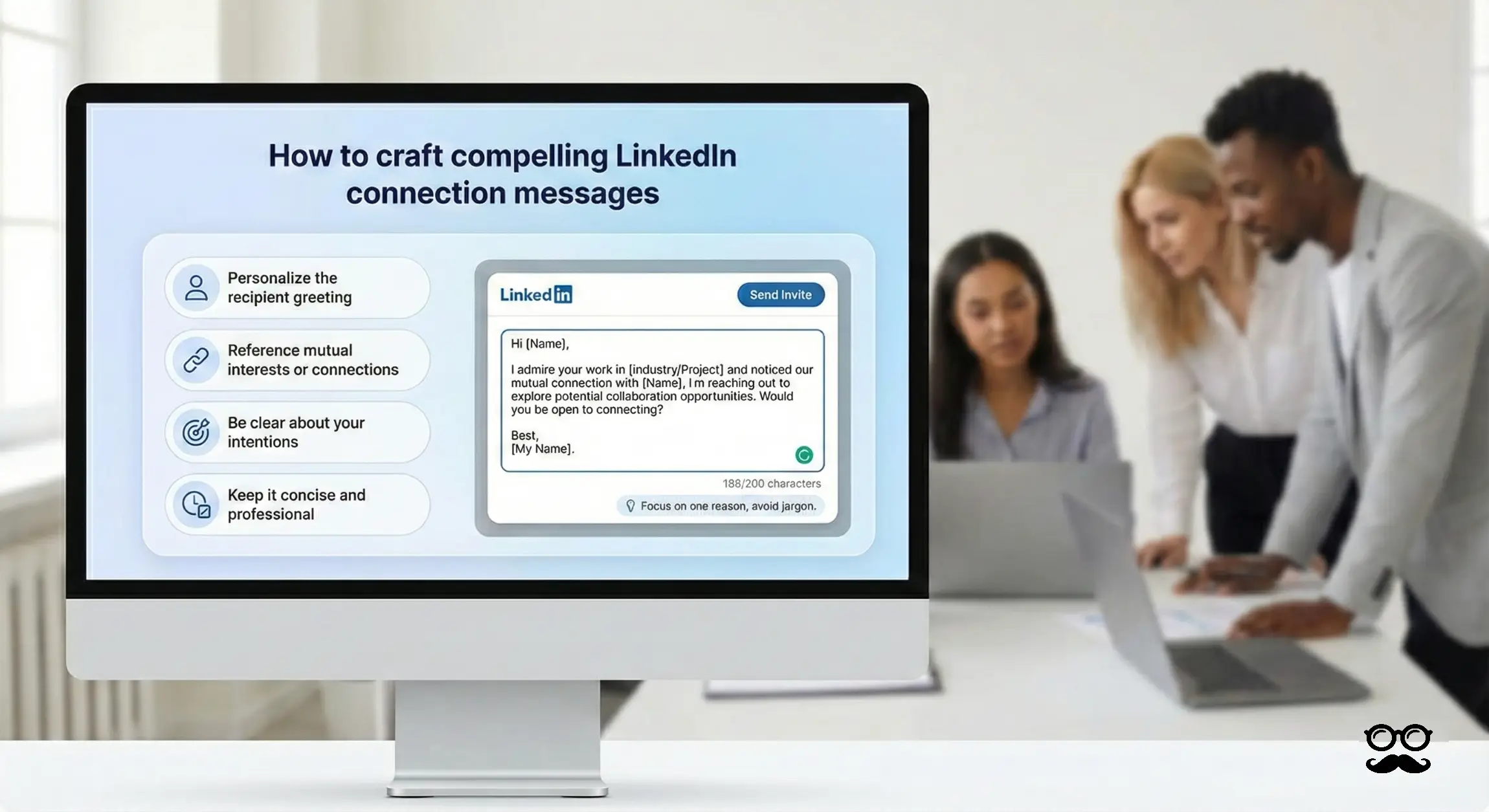
Begin your message with a personal touch. Address the recipient by name and reference specific aspects of their profile or work. This shows that you've taken the time to understand who they are and what they do.
Highlighting mutual interests or connections can create an instant bond. It makes your message more relevant and increases the chances of acceptance.
Be upfront about why you're reaching out. Whether it's to discuss potential collaborations, seek advice, or explore job opportunities, clarity of intent is key.
Keep your message under LinkedIn's 200-character limit. To stay concise and professional:
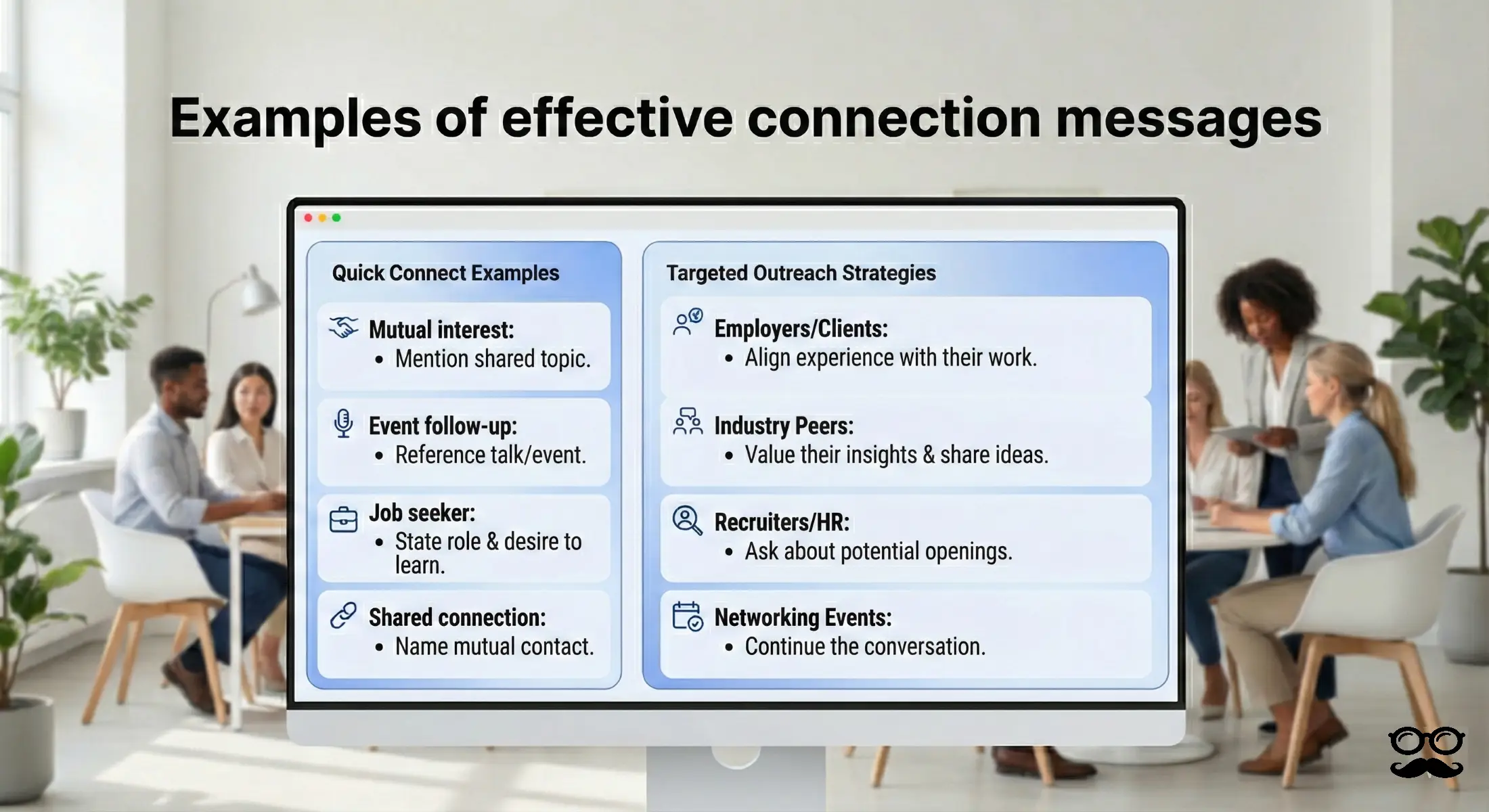
Mutual interest: Hi [Name], I noticed we share an interest in [topic]. Would love to connect and exchange insights!
Event follow-up: Hi [Name], Enjoyed your talk at [event]. Let's connect and keep the conversation going. Job seeker: Hi [Name], I'm exploring roles in [industry] and would appreciate connecting to learn from your experience.
Shared connection: Hi [Name], we're both connected to [mutual contact]. Thought it'd be great to connect as well!
Hi [Name], I came across your profile and was impressed by your work at [Company]. I believe my experience in [Industry/Field] aligns well with your current projects. I'd love to connect and discuss potential collaboration opportunities.
Hello [Name], I've been following your articles on [Topic] and find your insights very valuable. As a fellow [Industry] professional, I'd appreciate the opportunity to connect and share ideas.
Hi [Name], I'm currently exploring new opportunities in [Industry/Field] and noticed your expertise in recruitment for this sector. I'd be honored to connect and learn more about potential openings you might be aware of.
Hi [Name], It was great meeting you at [Event/Conference]. I enjoyed our conversation about [Topic] and would love to continue our discussion. Let's connect!
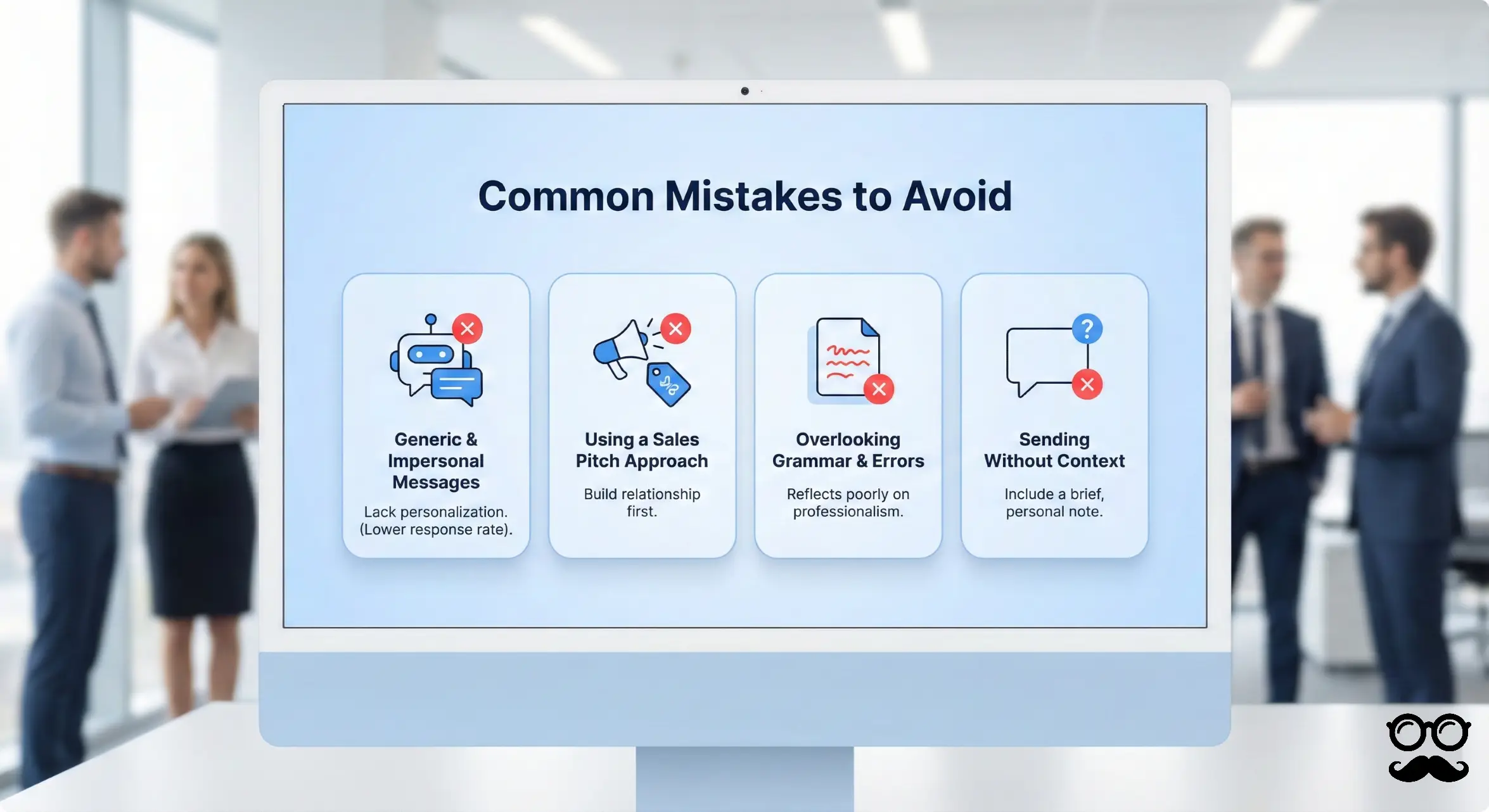
Avoid sending generic messages that lack personalization. Tailor each message to the recipient to stand out, as personalized messages achieve response rates of 9.36% versus 5.44% for generic ones.
A hard sales pitch can be off-putting. Focus on building a relationship first before pitching products or services.
Errors in your message can reflect poorly on your professionalism. Double-check your message for any mistakes before sending it.
A connection request without context or a personalized message is likely to be ignored. Always include a brief note explaining the reason for your request, as messages with notes see 9.36% response rates compared to 5.44% without them.
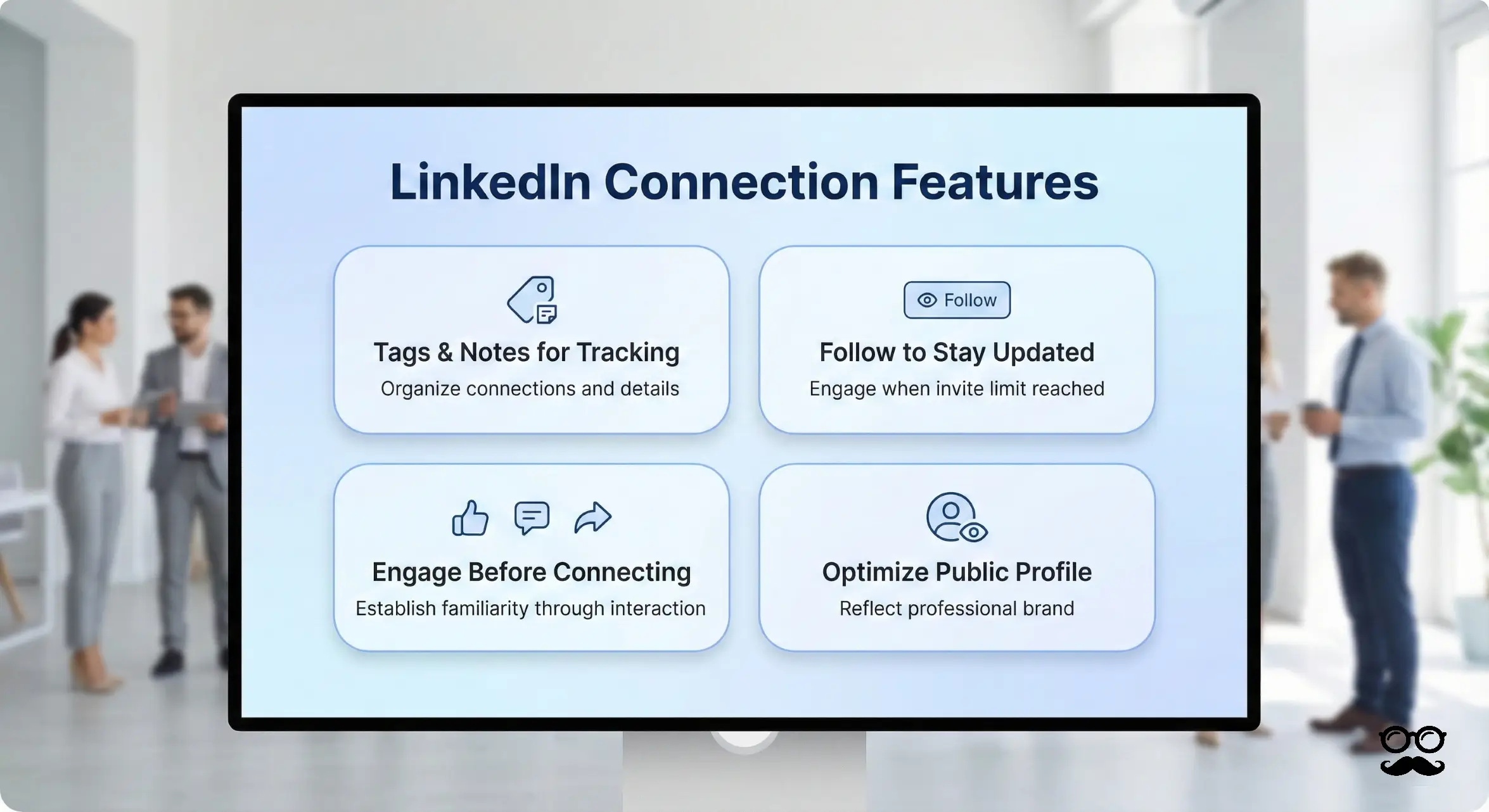
Use LinkedIn's tags and notes features to keep track of the connections you make and any specific details about them.
If you've reached your monthly invite limit, use the Follow button to stay updated on someone's activity. You can then engage with their posts and send a connection request when your quota resets.
Like, comment on, or share their posts to establish familiarity before sending a connection request.
Ensure your public profile is optimized and reflects your professional brand, making your request more appealing.
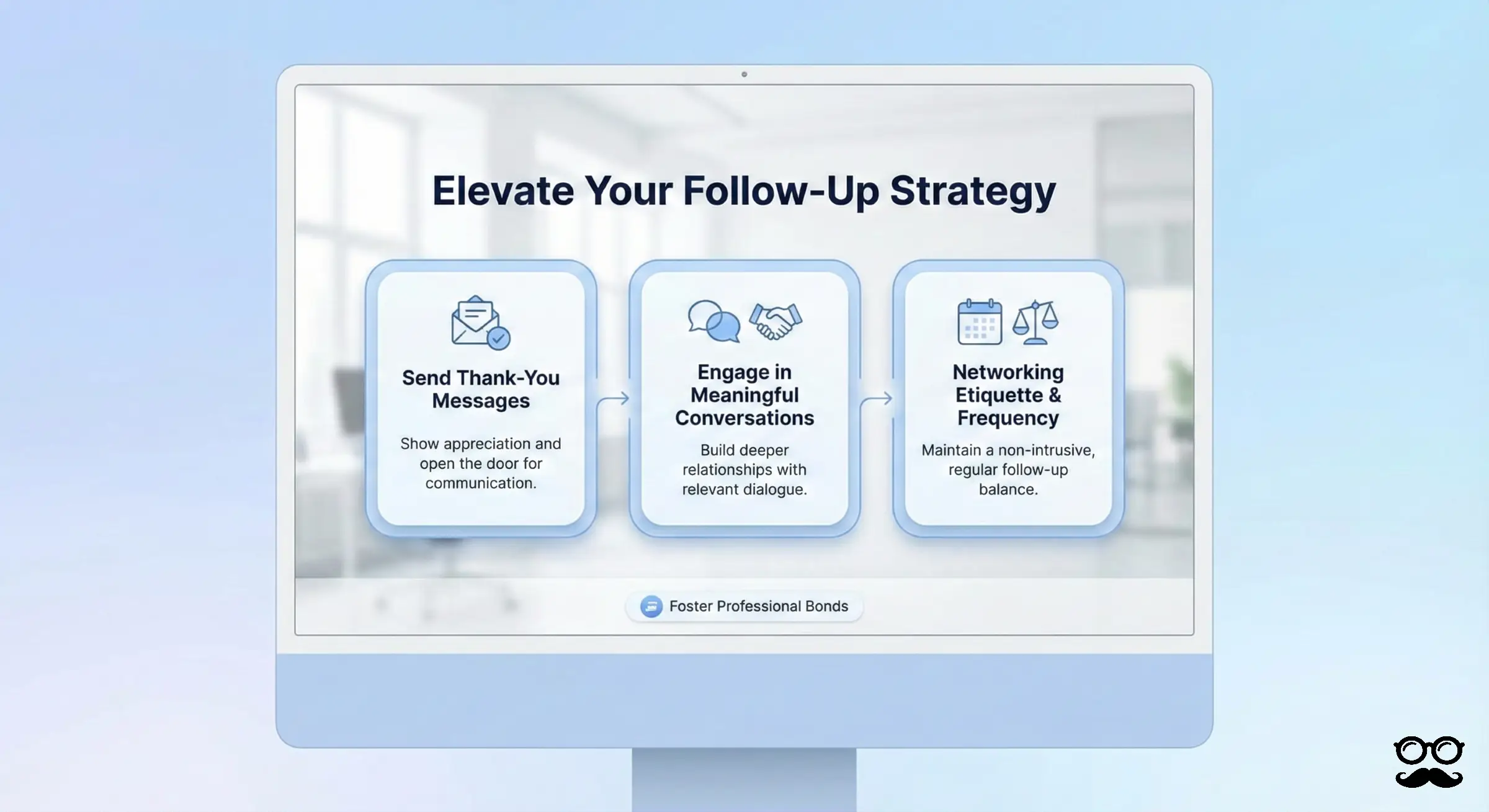
Send a brief thank-you message once your connection request is accepted. It shows appreciation and opens the door for further communication. After connecting, initiate conversations that are relevant and valuable. This helps in building a deeper professional relationship.
Regular follow-ups are essential, but they should not be overwhelming. Find a balance to stay in touch without being intrusive.
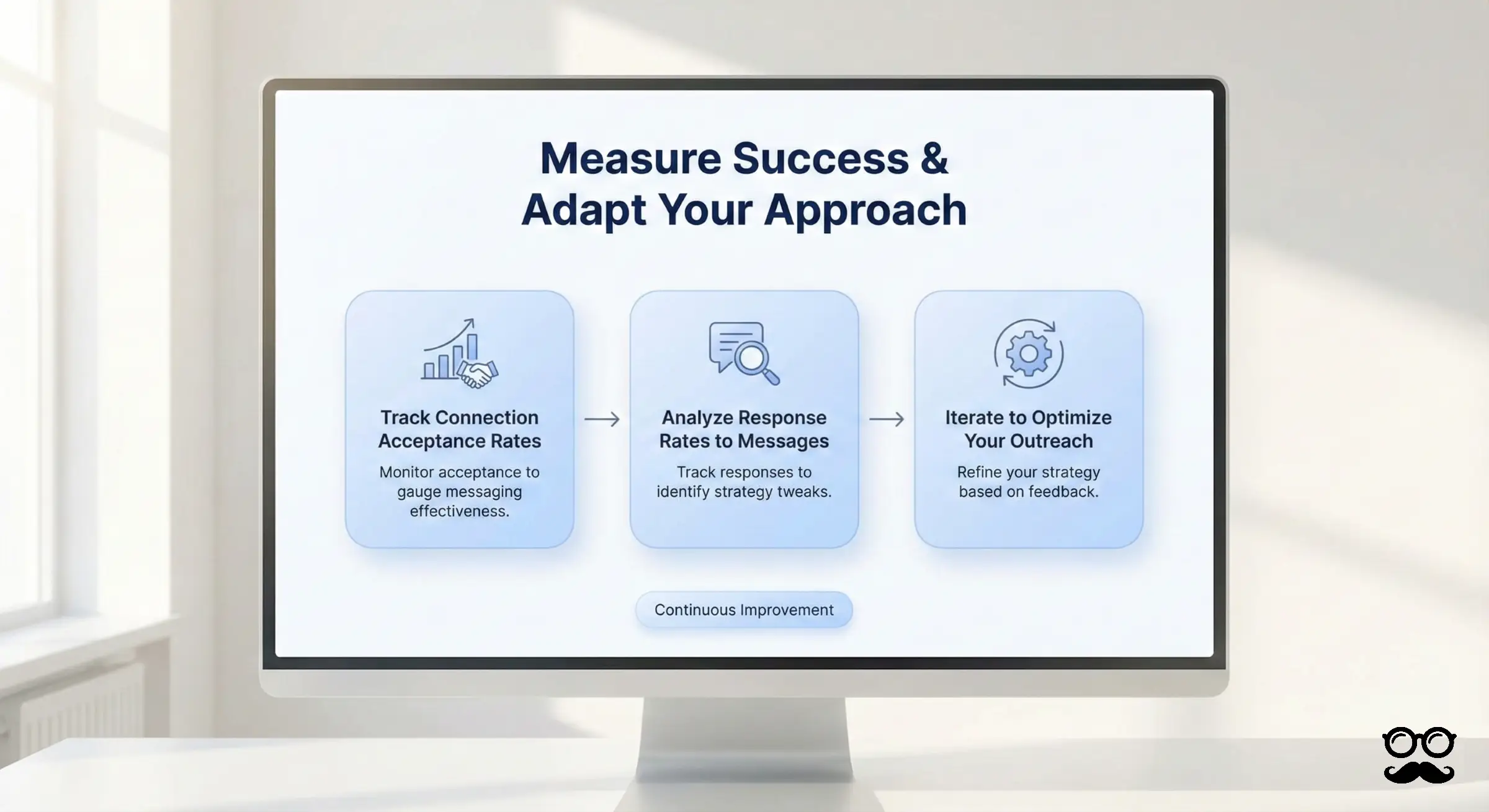
Monitor how many of your connection requests are accepted. This can give insights into the effectiveness of your messaging.
Keep track of the responses you receive. A low response rate might indicate a need to tweak your messaging strategy.
Continuously refine your approach based on the feedback and results you receive. Adapt your strategy to improve your networking success.
Effective LinkedIn connection messages are a cornerstone of successful networking. Meet Alfred can significantly enhance this process with features that streamline and personalize your outreach. Try Meet Alfred's free trial today and experience a new level of networking efficiency and effectiveness, driving leads and building valuable professional relationships on LinkedIn.
Ready to begin building meaningful professional relationships on LinkedIn?
Start 7 Days Free TrialAn effective LinkedIn outreach message is short, personal, and focused on the other person. Start with a personal hook (something about their role, company, or a recent post), explain briefly why you're reaching out, and highlight one clear benefit or reason to connect. Finish with a simple, low-pressure call to action, like asking a quick question or proposing a short chat.
Aim for around 300 characters in your first LinkedIn message. That's usually short sentences long enough to add context and value but still quick to read on mobile without feeling like a pitch.
Reply promptly and thank the sender for reaching out. Personalize your response by referencing their message and suggesting a next step, such as a call or sharing resources.
As a rule of thumb, send up to three follow-up messages over one to two weeks. Each follow-up should offer something new, such as a tip, resource, or insight—rather than repeating the same ask. If there's no response after the third follow-up, it's best to stop and move on.
No. Avoid pitching your product in the first message. Use your initial outreach to start a conversation, show genuine interest, and understand their situation. Once you've built some rapport and confirmed there's a potential fit, you can gradually introduce your solution.
Yes, if you use automation thoughtfully. Tools like Meet Alfred let you personalize at scale by segmenting your audience, using custom placeholders, and sending messages at natural times. The key is to keep each message relevant and human, not just a generic template sent in bulk.
[author-box]